
How to Sleep Better When You Work Night Shifts
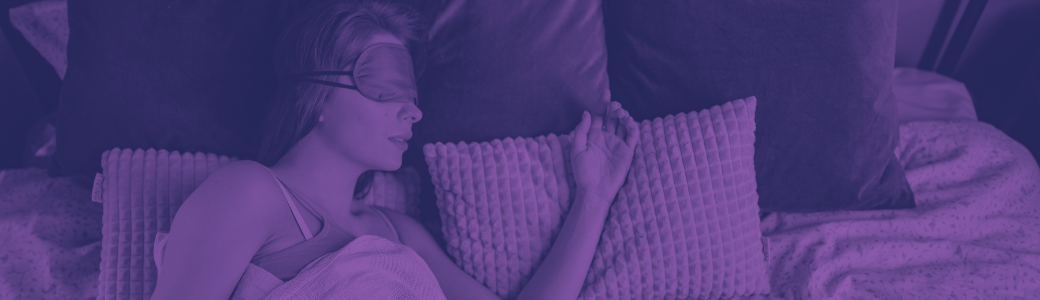
Working night shifts can be rewarding, but it can also make getting quality sleep one of the biggest challenges you face.
If you regularly wake up feeling tired, struggle to fall asleep after work or never seem to feel fully rested, you're not imagining it. Your body is working against its natural rhythm.
Quick Answer
Night shifts disrupt your body's natural sleep-wake cycle, making it harder to fall asleep and stay asleep during the day. Creating a consistent routine, managing light exposure, improving your sleep environment and supporting recovery with healthy habits can make a significant difference over time.
What You'll Learn
- Why shift work affects sleep so much.
- How your body clock influences energy levels.
- Simple ways to improve daytime sleep.
- Whether magnesium may support your routine.
- Common mistakes that make recovery harder.
Why Night Shifts Make Sleeping So Difficult
Your body follows an internal clock known as the circadian rhythm. This controls when you naturally feel awake and when you begin feeling sleepy.
Light is one of the biggest influences on this process. During daylight, your brain receives signals to stay alert. As darkness arrives, your body gradually prepares for sleep.
Night shifts completely reverse this pattern.
Instead of sleeping at night, you're expected to stay alert. Then, just as the sun rises and your body wants to wake up, you're trying to fall asleep.
It's no surprise that many shift workers struggle to get the same quality of sleep as someone working regular daytime hours.
Common Signs Your Body Clock Is Out Of Sync
| Symptom | Why It Happens |
|---|---|
| Difficulty falling asleep | Your brain still receives daytime wake signals. |
| Waking after only a few hours | Daytime sleep is naturally lighter. |
| Feeling tired all day | Poor-quality sleep affects recovery. |
| Brain fog | Reduced restorative sleep can affect concentration. |
| Low energy | Recovery becomes less effective over time. |
Why Daytime Sleep Feels Different
Many people think that seven hours of sleep is always the same, regardless of when it happens. In reality, daytime sleep is often lighter and more easily interrupted.
During the day you're dealing with:
- More natural light.
- Traffic and neighbourhood noise.
- Warmer room temperatures.
- Household activity.
- Your body's natural urge to stay awake.
These factors make deep, restorative sleep much harder to achieve.
Many shift workers sleep for fewer total hours across a typical week than daytime workers, even if they spend the same amount of time in bed.
How To Sleep Better After A Night Shift
1. Make Your Bedroom As Dark As Possible
Blackout curtains, blinds or a comfortable eye mask can help reduce daylight reaching your eyes, making it easier for your brain to prepare for sleep.
2. Reduce Noise
White noise, earplugs or a fan can help block out daytime disturbances and create a more relaxing environment.
3. Keep Your Bedroom Cool
A cooler room generally supports better sleep than one that's too warm. Good ventilation can also help improve comfort.
4. Watch Your Caffeine Intake
Coffee and energy drinks may help you stay alert during work, but consuming caffeine near the end of your shift can make falling asleep more difficult.
5. Create The Same Bedtime Routine
Your body responds well to consistency. Reading, taking a warm shower or dimming the lights before bed can all become signals that it's time to sleep.
Can Magnesium Help?
Magnesium contributes to normal nervous system function and normal muscle function. Many people choose to include it as part of their evening routine to support relaxation, but it isn't intended to work like a sleeping tablet or provide an instant effect.
Like most supplements, magnesium works best alongside healthy habits rather than replacing them.
Small Habits That Support Better Recovery
| Habit | Why It Helps |
|---|---|
| Blackout curtains | Reduce daylight exposure. |
| White noise | Masks daytime sounds. |
| Consistent bedtime routine | Helps your body prepare for sleep. |
| Balanced meals | Supports energy and recovery. |
| Hydration | Supports overall wellbeing. |
Myth Vs Fact
| Myth | Fact |
|---|---|
| I'll eventually get used to sleeping during the day. | Some people adapt, but many continue to find daytime sleep more difficult. |
| Sleeping longer fixes everything. | Sleep quality is just as important as the number of hours. |
| Supplements replace healthy habits. | They should complement a healthy sleep routine, not replace one. |
Frequently Asked Questions
How much sleep do shift workers need?
Most adults benefit from seven to nine hours of sleep within every 24-hour period, although quality is just as important as quantity.
Should I wear sunglasses after a night shift?
Some people find sunglasses help reduce bright morning light on the journey home, making it easier to prepare for sleep.
Can supplements improve sleep after night shifts?
Supplements such as magnesium may support relaxation as part of a healthy routine, but they should not replace good sleep habits.
Key Takeaways
- Night shifts disrupt your natural body clock.
- Daytime sleep is often lighter than overnight sleep.
- Managing light exposure can improve sleep quality.
- A consistent bedtime routine supports recovery.
- Magnesium may complement healthy sleep habits.
- Small lifestyle changes often produce the biggest long-term improvements.
Explore our Better Sleep collection for magnesium and carefully selected supplements designed to complement healthy sleep routines.
Disclaimer: This article is for educational purposes only and should not be considered medical advice. Food supplements should not replace a balanced diet or healthy lifestyle. Always consult a healthcare professional before taking supplements, particularly if you have a medical condition or take medication. The statements in this article have not been evaluated by the Medicines and Healthcare products Regulatory Agency (MHRA) and are not intended to diagnose, treat, cure or prevent any disease. For NHS guidance on sleep, visit NHS Every Mind Matters.
