
Healthy Ageing Habits: Small Changes That Make a Difference
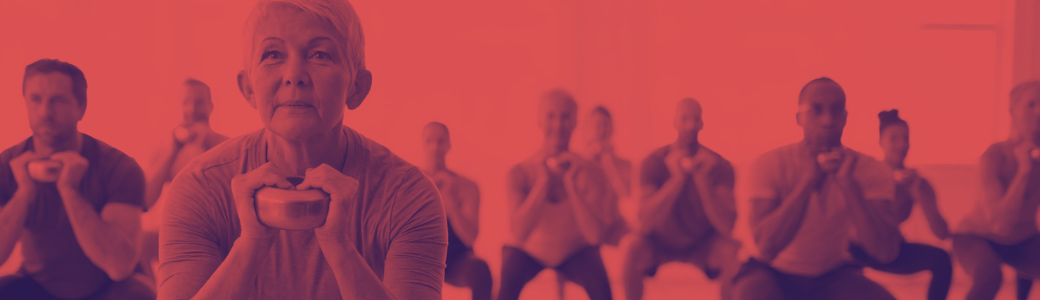
Healthy ageing has become a complicated business. There are biological age tests, cold plunges, elaborate supplement routines and endless promises about living longer. It can make looking after yourself feel like something that requires expensive equipment, perfect discipline and a detailed understanding of the latest longevity research.
But many of the habits that support healthy ageing are much less complicated.
Walking regularly. Maintaining strength. Getting enough sleep. Eating a varied diet. Managing stress and giving your body time to recover.
None of these is particularly fashionable, but that is part of the point. Healthy ageing is less about finding one extraordinary intervention and more about repeating ordinary habits that support your body over time.
And you do not need to change everything at once to start making progress.
Healthy Ageing Is About More Than Living Longer
Ageing well is not simply about adding years to your life. It is also about maintaining the physical and mental abilities that help you enjoy those years.
Strength, mobility, energy, independence, sleep and emotional wellbeing all matter. The most useful habits are those that support these areas without becoming another source of pressure.
What Does Healthy Ageing Actually Mean?
Ageing is a normal biological process. Over time, changes can occur in muscle mass, bone health, metabolism, sleep, skin and how quickly the body recovers from physical demands.
Some changes are influenced by genetics and medical conditions. Others are affected by everyday behaviours, including activity levels, diet, smoking, alcohol consumption and sleep.
The aim of healthy ageing is not to prevent every age-related change. That is neither realistic nor necessary.
Instead, it is about supporting your ability to function well as you get older.
| Area of Wellbeing | Why It Matters | Everyday Starting Point |
|---|---|---|
| Strength | Supports everyday physical function | Regular resistance exercise |
| Mobility | Helps maintain comfortable movement | Walking and varied movement |
| Recovery | Allows adaptation to physical demands | Rest, sleep and manageable activity |
| Nutrition | Provides essential nutrients | Varied, balanced meals |
| Mental wellbeing | Supports quality of life | Connection, downtime and enjoyable activities |
1. Move More Often, Not Just During Workouts
Exercise is important, but movement does not begin and end at the gym.
Walking to the shops, taking the stairs, gardening, doing household tasks and getting up regularly during the working day all contribute to an active lifestyle.
This matters because long periods of sitting can become normal without us noticing.
You might exercise for an hour in the morning and still spend most of the remaining day sitting at a desk, in the car or on the sofa.
Try making movement part of your routine rather than treating it as a separate appointment.
- Walk for ten minutes after lunch.
- Stand up and move around during long working periods.
- Take a slightly longer route when walking somewhere.
- Use stairs when practical.
- Choose hobbies that naturally involve movement.
These changes may appear small individually, but they help make activity a regular part of everyday life.
2. Keep Your Muscles Strong as You Get Older
Muscle strength is about much more than appearance.
Strong muscles help you carry shopping, climb stairs, get up from chairs, maintain balance and continue doing everyday activities independently.
Muscle mass and strength can decline with age, particularly when people become less active. Resistance exercise helps challenge muscles and maintain physical function.
You do not need to become a bodybuilder to benefit.
Resistance bands, bodyweight exercises, weights and suitable strength-based activities can all have a place.
Instead of focusing only on how your body looks, think about the activities you want to enjoy in ten or twenty years. Walking comfortably, travelling, gardening, playing with grandchildren or remaining physically independent are meaningful reasons to maintain strength.
The NHS recommends that adults include muscle-strengthening activities on at least two days each week, alongside regular aerobic activity.
3. Treat Sleep as Part of Your Health Routine
Sleep is often the first thing people sacrifice when life becomes busy.
Work runs late, evenings disappear into screens and bedtime becomes something that happens whenever everything else is finished.
But sleep supports numerous processes involved in everyday health, including memory, concentration, immune function and physical recovery.
While sleep patterns can change with age, consistently poor sleep should not simply be accepted as inevitable.
A few practical habits can make sleep easier to prioritise:
- Keep your waking time reasonably consistent.
- Make your bedroom dark, quiet and comfortable.
- Reduce caffeine later in the day.
- Allow time to wind down before bed.
- Get natural daylight during the morning or daytime.
Not every night will be perfect. The goal is to create conditions that make good sleep more likely, rather than chasing an exact sleep score every morning.
4. Make Recovery Part of Staying Active
One of the less glamorous parts of healthy ageing is recognising that more effort is not always better.
Exercise places demands on muscles and other tissues. Recovery allows your body to respond and adapt to those demands.
Without enough recovery, even a well-intentioned fitness routine can become difficult to maintain.
Recovery is not necessarily about spending entire days doing nothing. It can mean alternating demanding workouts with easier activity, getting enough sleep and adjusting your routine when you are particularly tired.
For example, if you completed a challenging strength session yesterday, today's movement might be a walk rather than another intense workout.
This approach supports consistency without turning every day into a test of endurance.
5. Build Your Diet Around Variety Rather Than Restrictions
Nutrition advice becomes especially confusing when it is presented through the lens of longevity.
One week, a particular food is described as essential for healthy ageing. The next, another ingredient is being promoted as the secret to living longer.
In reality, a varied and balanced diet remains a sensible foundation.
That means regularly including vegetables, fruit, wholegrains, protein sources and foods containing healthy fats.
Protein becomes particularly relevant when thinking about muscle maintenance, especially alongside strength training.
It is also worth paying attention to whether your diet provides essential vitamins and minerals rather than assuming a supplement can compensate for consistently poor eating habits.
| Instead of... | Try... |
|---|---|
| Following restrictive longevity diets | Building balanced meals you genuinely enjoy |
| Buying every new superfood | Eating a wider variety of everyday foods |
| Ignoring protein | Including a suitable protein source with regular meals |
| Trying to eat perfectly | Making nutritious choices consistently |
6. Understand Inflammation Without Trying to Eliminate It
Inflammation has become one of the most misunderstood topics in wellness.
It is often discussed as though all inflammation is harmful and the aim should be to remove it completely.
But inflammation is a normal part of the body's immune response. It helps the body respond to injury and infection.
Researchers are also interested in the relationship between ageing and persistent low-grade inflammation, sometimes described as inflammageing.
However, this does not mean you can identify your personal inflammation levels from everyday symptoms or that a particular supplement can simply switch inflammation off.
The more practical approach is to focus on habits associated with general health: regular activity, adequate sleep, a balanced diet, avoiding smoking and managing relevant medical conditions.
Be cautious of products claiming to “detox inflammation” or reverse biological ageing through one ingredient.
7. Get Antioxidants From Food Before Chasing Supplements
Antioxidants are another popular topic in longevity marketing.
They are often discussed in connection with oxidative stress, which occurs when the balance between reactive molecules and the body's protective systems is disrupted.
Your body already has antioxidant defence systems, and nutrients obtained through food contribute to normal biological functions.
Vitamin C, for example, contributes to the protection of cells from oxidative stress. Vitamin E also contributes to the protection of cells from oxidative stress.
These are established nutritional functions, but they should not be confused with claims that taking high-dose antioxidant supplements will prevent ageing.
Foods such as berries, vegetables, nuts, seeds and other plant foods provide a mixture of nutrients and naturally occurring compounds.
Rather than searching for one perfect antioxidant supplement, consider how much variety appears on your plate across the week.
Try including different colours of fruit and vegetables across your meals. You do not need an expensive superfood powder to eat a varied diet, and ordinary supermarket produce can be a perfectly good starting point.
8. Give Your Mind Time to Recover Too
Physical recovery is only part of the picture.
Constant notifications, work pressure, busy schedules and little genuine downtime can leave you feeling mentally exhausted even when you have not been particularly physically active.
Healthy ageing should include looking after your mental wellbeing, maintaining relationships and making space for activities you enjoy.
This might mean spending time outdoors, meeting friends, reading, gardening, learning something new or simply having periods when you are not constantly responding to demands.
Not every moment needs to be productive.
Social connection matters too. Maintaining meaningful relationships and staying engaged with other people can contribute to wellbeing and quality of life as you get older.
For more ideas on building manageable everyday routines, explore our Stress & Calm collection.
What About Supplements for Healthy Ageing?
Supplements are often marketed as shortcuts to longevity.
Some contain essential nutrients with well-established roles in normal health. Others contain ingredients being investigated for possible effects on ageing, but where reliable evidence is still limited.
It is important to distinguish between the two.
| Nutrient | Established Nutritional Function |
|---|---|
| Magnesium | Contributes to normal muscle function, normal nervous system function and the reduction of tiredness and fatigue |
| Vitamin C | Contributes to normal collagen formation for the normal function of skin, cartilage and bones, and to the protection of cells from oxidative stress |
| Vitamin D | Contributes to the maintenance of normal bones and normal muscle function |
| Vitamin B12 | Contributes to normal energy-yielding metabolism and the reduction of tiredness and fatigue |
| Zinc | Contributes to normal immune system function and the protection of cells from oxidative stress |
These functions do not mean that taking additional amounts of these nutrients will slow biological ageing or extend lifespan.
Supplementation may be useful in particular circumstances, such as when dietary intake is inadequate or specific public health recommendations apply.
In the UK, for example, the NHS advises people to consider taking a daily supplement containing 10 micrograms of vitamin D during autumn and winter.
The key is to use supplements for a clear nutritional purpose rather than assuming that more ingredients automatically mean better ageing.
Why Sustainable Habits Beat Extreme Wellness Routines
One of the biggest problems with complicated longevity routines is that they can be difficult to maintain.
You might follow an elaborate morning routine for two weeks, but if it requires waking at 5am, preparing six supplements and completing an hour of exercise before work, it may not fit comfortably into everyday life.
A ten-minute walk that happens most days can be more sustainable than an ambitious exercise plan you abandon after a fortnight.
The same applies to nutrition, sleep and recovery.
Consistency does not mean perfection. It means creating habits that can survive busy weeks, holidays, stressful periods and ordinary changes in routine.
A Simple Healthy Ageing Checklist
If you want a practical place to start, focus on these everyday questions:
- Am I moving regularly throughout the day?
- Am I doing something to maintain muscle strength?
- Am I giving myself enough opportunity for sleep?
- Does my diet contain a reasonable variety of nutritious foods?
- Am I allowing enough recovery between demanding activities?
- Do I spend time with people who matter to me?
- Am I making space for activities I genuinely enjoy?
- Are my habits realistic enough to continue next month?
You do not need to answer yes to every question immediately.
Choose one area that would make the biggest difference to your everyday life and start there.
Frequently Asked Questions About Healthy Ageing
What are the most important habits for healthy ageing?
Regular physical activity, maintaining muscle strength, getting enough sleep, eating a varied and balanced diet, avoiding smoking, managing stress and maintaining social connections are all useful foundations for healthy ageing.
Can you improve your health as you get older?
Yes. Many aspects of physical fitness and everyday wellbeing can respond positively to changes in activity, nutrition and lifestyle at different ages. The most appropriate approach depends on your current health, abilities and any existing medical conditions.
Do you need supplements for healthy ageing?
Not everyone needs the same supplements. Some people may benefit from particular nutrients because of dietary intake, medical advice or public health recommendations. Supplements should not be viewed as a replacement for healthy lifestyle habits or as proven ways to reverse ageing.
Does strength training become more important with age?
Maintaining muscle strength is important throughout adulthood. Resistance exercise can help support strength and everyday physical function, making it a valuable part of an active lifestyle as you get older.
Can antioxidants stop ageing?
No. Certain antioxidant nutrients, including vitamins C and E, contribute to protecting cells from oxidative stress, but that does not mean antioxidant supplements can stop or reverse the ageing process.
Is walking enough for healthy ageing?
Walking is an accessible form of physical activity and can contribute to an active lifestyle. However, including suitable muscle-strengthening and balance activities is also valuable, particularly as you get older.
Build a Routine That Still Works Years From Now
Healthy ageing does not require you to turn your life into a science experiment.
You do not need to follow every longevity trend, buy every supplement or measure every aspect of your biology to make worthwhile changes.
The habits that matter are often the ones that fit naturally into your life.
Move regularly. Maintain strength. Protect your sleep. Eat a varied diet. Make recovery part of the plan. Stay connected with other people and make time for things you enjoy.
Start small enough that the change feels manageable, then build on it.
The aim is not to create a perfect routine for the next thirty days. It is to develop habits that can continue supporting you for the next thirty years.
Explore our Longevity & Ageing collection for supplements designed to complement balanced nutrition and long-term wellbeing routines.
Disclaimer: This article is for general educational purposes only and is not intended as medical advice, diagnosis or treatment. Healthy ageing is influenced by many factors, including genetics, medical conditions and lifestyle. Speak to your GP or another qualified healthcare professional before making significant changes to your exercise routine or taking supplements if you have an existing health condition, take medication or are unsure what is appropriate for you.
Food supplements should not be used as a substitute for a varied, balanced diet and healthy lifestyle. Always follow the directions and warnings provided with individual products.
